

Psychology

Turn Your Compassion for People into a Career with an Undergraduate or Graduate Psychology Degree
You enjoy working with others, listening to them and want to help them through personal problems. You are fascinated by the reasons behind why people act and react to life's circumstances, and you want to understand yourself better.
Whether you are just starting out in your academic career, looking for a major, or you are looking for graduate school options, University of Detroit Mercy's Psychology program can take you from bachelor's to master's to doctorate. Detroit Mercy offers a choice of three undergraduate majors: psychology, developmental and industrial/organizational. The University also offers four graduate programs leading to advanced degrees or specialist certificate, preparing psychologists for professional practice. Close relationships with professional organizations provide you with valuable practicum internship experiences through onsite placements. The department's excellent reputation in professional communities also facilitates your employability.
The Detroit Mercy Psychology Clinic provides both a valuable community resource, serving approximately 300 individuals annually, and a clinical experience for our doctoral students under the supervision of licensed specialists.

Adrian Arrington Jr. '22,
psychology major
"All done with course eval. At first I was a bit worried about your class ngl ("not gonna lie" haha), but by the end I really enjoyed having you as a professor!!! You're one of the tougher ones but I know it's because you want us to do well and be exemplary students! So thanks, Dr. Greene!"

Edwin F. Jurado '21
Bachelor of Arts with a major in Psychology
"Finding my passion helped me to develop as a student, researcher, and leader in the Detroit Mercy community. Before I switched my major, I was unsure of how to be a part of the university. My courses and professors helped me to develop academic and research interests that have shaped my career goals. Some of my professors have become mentors who continue to help me with career advice, letters of recommendation and support. Once I found my academic interests, I was able to incorporate them into the student and university organizations I was a part of. Courses even incorporated community service and leadership into the curriculum, which have inspired me to continue striving for social justice as is the Jesuit and Mercy traditions."

Shelbi Matlock '20,
psychology major
“Although being able to work from home is comforting, sometimes my high levels of comfort prevented me from being able to work differently. In order to finish the semester strong, I kept in mind all of the times life has forced change upon me, and I realized that resisting the current reality we are living in doesn’t do a thing. The one thing that helped me finish this semester strong was embracing my readjusted schedule and environment. In doing so, I have watched myself transform and grow into a more creative and innovative student capable of withstanding the force of the outside world.”
Undergraduate Programs
-
Major - Psychology
Degree: Bachelor of Arts
Major: PsychologyPsychology is the scientific study of behavior and mental processes. It differs from other fields that are concerned with the human condition in that it uses the scientific method. Psychologists attempt to understand the workings of individuals, animals and groups. Psychologists work in a variety of settings including universities and colleges, clinics and hospitals, business and industry, government agencies, law enforcement and the military. Psychology can be an academic or research discipline or an applied science.
The psychology major is for students who intend to pursue careers in psychology. Such careers usually require at least the M.A. degree for entry-level employment. This major is designed to provide a strong foundation for graduate study.
To obtain this undergraduate degree, the student must fulfill the requirements of the University core curriculum, the requirements for the 36-credit-hour program major and have completed a minimum of 120 credit hours.
-
Major - Developmental Psychology
Degree: Bachelor of Arts
Major: Developmental PsychologyThe developmental psychology major is designed to prepare graduates for work in child and family programs such as child and adolescent development specialists, child or elder care providers, family services workers, parenting educators, child life workers and family relations consultants.
-
Major - Industrial / Organizational Psychology
Degree: Bachelor of Arts
Major: Industrial/Organizational PsychologyThe industrial/organizational (I/O) psychology major serves as an excellent generalist foundation for beginning a career in business. The dual emphasis on business and psychology means that organizations can hire graduates who understand both human nature and the dynamics of organizational life.
Graduates can expect to work in jobs that involve performing tasks related to human resource assessment, selection and placement, performance appraisal, job analysis and re-design, leadership development, organizational effectiveness, and other activities related to human resources. These skills position graduates for leadership opportunities throughout their careers. Thus, the I/O major prepares students to become lifelong learners and proactive career managers, to maneuver effectively in their chosen career trajectories.
Students will be prepared in the event they choose to earn an advanced degree, such as the Master of Business Administration or Master of Arts with a major in I/O psychology, both of which are available at Detroit Mercy. Other students may choose to use this degree as a preparation for graduate work in fields such as law and health care as well as psychology.
-
Accelerated 5-year Bachelor's to Master's in Industrial/Organizational Psychology
Where Will You Be in Five Years?
For ambitious, hard-working, career-minded incoming freshmen, the Psychology Department at the University of Detroit Mercy offers an option to develop as an individual and as a professional as you fully complete both a Bachelor of Arts with a major in Industrial/Organizational Psychology and a Master of Arts with a major in Industrial/Organizational Psychology over the course of 11 semesters (5 academic years):
Students receive instruction in the fundamental components of a high quality undergraduate education from highly qualified and experienced full-time and adjunct instructors. The master's program uses best practice in presenting content and providing actual or simulated field experiences, and real world projects, to enhance student preparedness for transitioning to career employment.
Industrial/Organizational Psychology is one of the fastest growing areas of study in the past decade. It applies knowledge and theory from various disciplines of psychology as well as sociology, management science, and law. Our approach is to help students develop as individuals by offering an integrated educational experience grounded in the core curriculum that focuses on building skills and knowledge. Our goal is for students to learn to work individually and with others both in the discipline and across disciplines to critically analyze and solve the practical issues in a complex modern work environment. You will develop key skills in this program including problem solving, the ability to make analytical judgments and the application of theory to practice in interdisciplinary contexts.In order to complete both the bachelor's and master's degrees in five years, you must:
- Be very well prepared as an incoming freshman or transfer student;
- Satisfy all the admission criteria (see below); and
- Maintain a cumulative 3.25 GPA at Detroit Mercy, in order to take graduate level courses while still an undergraduate.
This program allows incoming freshmen to complete both the bachelor's and master's degrees by being a full-time student for 5 academic years (10 consecutive semesters). Juniors at Detroit Mercy may be admitted into the program with the permission of the department and Dean’s Office.
Requirements for Transfer Students
Students transferring in from a community college require permission from the Dean's Office.
In order to complete the bachelor's and master's degrees entering as a transfer student you must:
- Have 60-63 transferable credits.
- Meet the requirements for the Michigan Transfer Agreement (MTA).
- Maintain a cumulative GPA of 3.25 throughout the entire undergraduate portion of the program, and a minimum GPA of 3.0 for graduate courses.
- Maintain full-time status. This is typically 15-18 credit hours per semester, for a total of 102-108 credits for students entering as a senior.
- Finish the bachelor's degree by the end of the fourth year and master's degree by the end of the fifth year. During your senior year, you can take up to two graduate level courses for each term with a maximum of four.
- Students can take summer courses if needed to catch up or advance.
- Students are not required to apply for the graduate portion or take any exams such as GRE if they have met and maintained all accelerated program requirements.
Sample Program for Incoming Freshmen
(Note: Full-time status must be maintained in all semesters)
First Year: 30-36 undergraduate credits
Second Year: 30-36 undergraduate credits
Third Year: 30-36 undergraduate credits
Fourth Year:- First Semester: 9 undergraduate credits, 6 graduate credits
- Second Semester: 9 undergraduate credits, 6 graduate credits
- First Semester: 6-9 graduate credits
- Second Semester: 6-9 graduate credits
- Summer: 2 graduate classes
Sample Program for Transfer Students
(Note: Full-time status must be maintained in all semesters)
Third Year: 30-36 undergraduate credits
Fourth Year:- First Semester: 9 undergraduate credits, 6 graduate credits
- Second Semester: 9 undergraduate credits, 6 graduate credits
- First Semester: 6-9 graduate credits
- Second Semester: 6-9 graduate credits
- Summer: 2 graduate classes
-
Minor - Psychology
Credit Hours: 18
The Psychology Minor Program is a minimum 18-credit-hour (6 courses) program designed to give students broad exposure to psychology as a scientific and professional discipline. This program is relevant to students pursuing academic majors which involve working with people, ideas, and/or social and communications systems including (but not limited to) nursing, biology, business, communication studies, law, philosophy, political science, social work, counseling, education, English, engineering and religious studies.
Beginning with introductory psychology, students in the Psychology Minor Program are required to take courses from at least three of four content areas: Basic Processes, Development/Family Processes, Clinical Processes, and Social Issues/Group Dynamics.
At the completion of the Psychology Minor Program, students are expected to be able to: discuss the role of psychology in interdisciplinary collaborations; demonstrate appropriate breadth of knowledge in selected psychology content areas; apply their broad knowledge of psychology to formulating career choices; and; appreciate the importance of lifelong learning for professional and personal development.
-
Minor - Developmental Psychology
Credit Hours: 18
This 18-credit minor provides students with an overview of psychology across the lifespan. The Developmental Psychology Minor educates students in infant and child development, middle childhood, adolescence, and old age, as well as the dynamics of families and family life. Adding this minor to the undergraduate degree complements and enhances any major by providing an understanding of developmental psychology and the scientific method.
Graduate Programs
-
Clinical Psychology (doctorate)
Degree: Doctorate
Major: Clinical Psychology
Credit Hours: 96University of Detroit Mercy’s doctoral program in clinical psychology is a competitive course of study that trains you to provide psychological services to the community. Based on sound ethical standards and a thorough and contemporary understanding of research-tested psychological principles, your University of Detroit Mercy training emphasizes the inter-relationships among theory, research and clinical practice.
Through sequential, gradual and cumulative training experiences, you receive the broad preparation essential to the practice of clinical psychology and for the development and execution of scientific research. The program consists of coursework, practice, research and scholarship.Graduate Record Exam (GRE) information
Applicants should submit, as part of their application, copies of all undergraduate and graduate transcripts, Graduate Record Examination (GRE) scores (verbal, quantitative and analytical) and three letters of recommendation from people familiar with the applicant’s prior achievement and potential for doctoral-level work in clinical psychology. Applicants should have at least a 3.0 GPA in their previous academic work. -
Clinical Psychology (master's degree)
Degree: Master of Arts
Major: Clinical Psychology
Credit Hours: 45The overarching goal of the program is to prepare students to become competent, practicing master’s level psychologists who are also prepared to pursue additional graduate study in psychology.
The program is designed to academically prepare students to apply for the State of Michigan’s Limited License in Psychology (LLP). Note: additional requirements for the LLP are completed by students after graduation from the program and do not fall under the purview of the program.
In keeping with the present climate in psychology, the program is broadly eclectic in its philosophical orientation and emphasizes scientifically-informed practice. In assessment and diagnostic procedures, contemporary psychometric methods are typically taught. In therapeutic practices, students will receive some exposure to several major theoretical perspectives, including psychoanalytic, behavioral and cognitive behavioral.Graduate Record Exam (GRE) information
Applicants should submit, as part of their application, copies of all undergraduate and graduate transcripts, Graduate Record Examination (GRE) scores (verbal, quantitative and analytical) and three letters of recommendation from people familiar with the applicant’s prior achievement and potential for doctoral-level work in clinical psychology. Applicants should have at least a 3.0 GPA in their previous academic work. -
Industrial / Organizational Psychology (master's degree)
Degree: Master of Arts
Major: Industrial / Organizational Psychology
Credits: 33
The Master of Arts program with a major in Industrial and Organizational Psychology prepares students to function as “master’s-level I/O psychologist practitioners” (SIOP, 2000). Graduates are employed as external and internal consultants and provide quality professional services in a variety of human resource, organizational development, talent management, and other work settings. The program provides career-advancement opportunities for human resource professionals or entry-level positions for those embarking upon their careers. Although this program is a “terminal masters” degree program, a small number of graduates continue their education in I/O Psychology doctoral programs.
The Psychology Department faculty is dedicated to implementing an Industrial/ Organizational Psychology program that provides advanced focus on psychological theories, principles, research, and their application to human behavior in the workplace. -
Specialist in School Psychology
Degree: Specialist in School Psychology
Credit Hours: 66The Specialist in School Psychology Program at University of Detroit Mercy is designed to prepare school psychologists who have a strong and broad-based knowledge of psychology and education, and enable them to apply that knowledge within the school setting. The program is part of the Department of Psychology, within University's College of Liberal Arts & Education.
Accreditation & Outcomes
-
Accreditation Status
Doctor of Philosophy with a major in Clinical Psychology
University of Detroit Mercy's clinical psychology doctoral program is currently accredited by the Commission on Accreditation, American Psychological Association (APA), 750 First Street, N.E., Washington, D.C. 20002-4242.
Specialist in School Psychology
University of Detroit Mercy's Specialist in School Psychology program has received full approval/recognition from the National Association of School Psychologists (NASP). This program follows the NASP 10 Domains Practice Model.Since 1988, NASP has been pleased to provide a national review and approval service for graduate programs in school psychology. NASP program approval/national recognition is an important indicator of quality graduate education in school psychology, comprehensive content, and extensive and properly supervised field experiences and internships, as judged by trained national reviewers. In addition, programs obtaining NASP approval allows for a streamlined process for program graduates to obtain the Nationally Certified School Psychologist (NCSP) credential. Thus, NASP approval/national recognition confers multiple advantages to programs, program graduates, the profession of school psychology, and, most importantly, to the children, families, and schools that we serve.
Specialist level (60+ graduate credits) and doctoral level programs in school psychology are reviewed and approved by NASP by providing evidence of consistency with the NASP Standards for Graduate Preparation of School Psychologists. The NASP standards provide the foundation for program review and approval. NASP is one of the specialized professional associations (SPAs) of the Council for Accreditation of Educator Preparation (CAEP), previously the National Council for Accreditation of Teacher Education (NCATE), and conducts program reviews as a part of the CAEP unit accreditation process. CAEP accredits units (e.g., Schools of Education), not programs, but does provide "national recognition" status (full or with conditions) to NASP-approved programs in CAEP-accredited units. NASP also conducts reviews of school psychology programs that are not in CAEP units and that submit materials for review by NASP on a voluntary basis.
Faculty
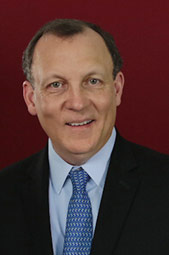
Steven Abell
Professor of Psychology
313-578-0423
abellsc@udmercy.edu
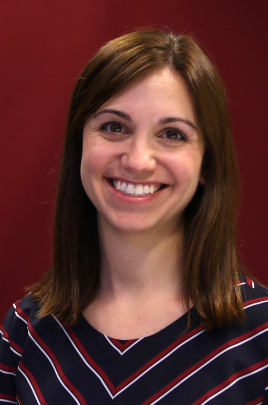
Kristen Abraham
Professor of Psychology
313-578-0445
abrahakm@udmercy.edu

Libby Balter Blume
Professor Emerita
Professor of Psychology
313-578-0446
blumelb@udmercy.edu
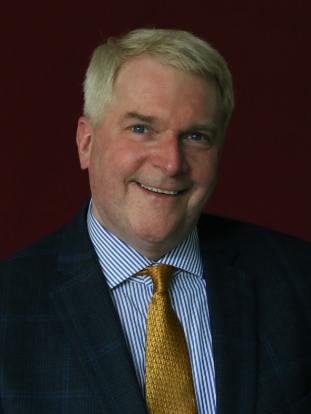
Barry Dauphin
Professor of Psychology
Director of Clinical Training for the Doctoral Program in Clinical Psychology
313-993-1650
dauphivb@udmercy.edu
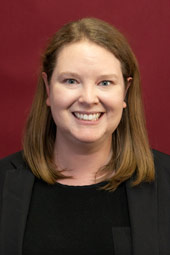
Emily Dowgwillo
Assistant Professor of Psychology
Associate Director of the Psychology Clinic
313-578-0562
dowgwiea@udmercy.edu
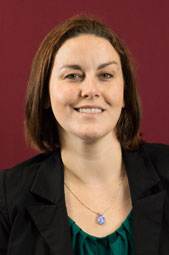
Lee Eshelman
Assistant Professor of Psychology
Director of Master of Arts Program in Clinical Psychology
313-578-0410
eshelmlr@udmercy.edu

Preston Foerder
Assistant Professor of Psychology
foerdepg@udmercy.edu
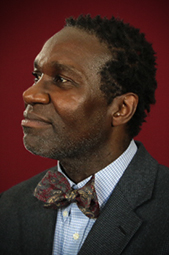
Harold Greene
Professor of Psychology
313-578-0456
greenehh@udmercy.edu
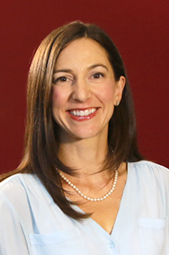
Erin Henze
Associate Professor of Psychology
Director of the Specialist in School Psychology Program
313-993-1434
henzeee@udmercy.edu
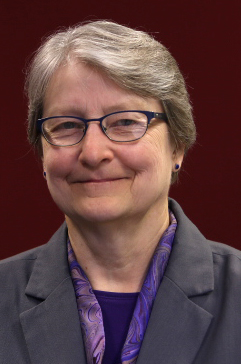
Elizabeth Hill
Professor Emerita
Professor of Psychology (retired 2021)
313-578-0405
hillelm@udmercy.edu
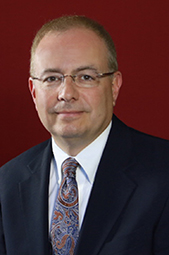
Steven Huprich
Associate Dean for Graduate Education
Professor of Psychology
313-993-1440
hupricst@udmercy.edu
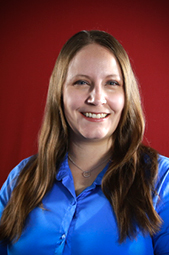
Rachel Lee
Assistant Professor of Psychology
313-578-0433
leerl2@udmercy.edu

John Porcerelli
Professor of Psychology
Director, Detroit Mercy Psychology Clinic
313- 993-1442
porcerjh@udmercy.edu
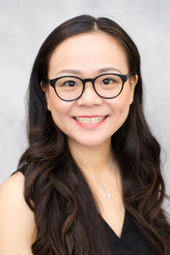
Miao Qian
Assistant Professor of Psychology
313-578-0455
qianmi@udmercy.edu
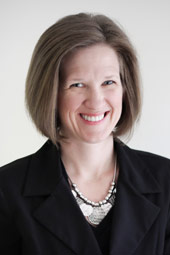
Sarah Rowe
Assistant Professor of Psychology
313-578-0518
rowess@udmercy.edu
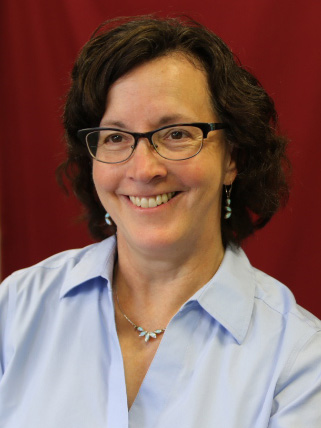
Linda Slowik
Professor of Psychology
*
Department Chair, Psychology
313-993-1623
slowiklh@udmercy.edu
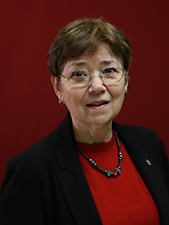
Carol Weisfeld
Professor Emerita
313-578-0481
weisfecc@udmercy.edu
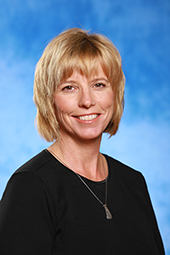
Kathleen Zimmerman-Oster
Professor of Psychology
Director of Industrial/Organizational Psychology Master of Arts Program
313-993-1137
zimmerka@udmercy.edu
Administrative Support
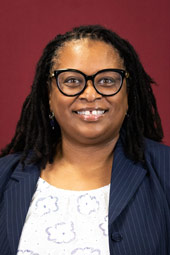
Valerie Williams
Administrative Assistant
313-578-0392
williavw@udmercy.edu
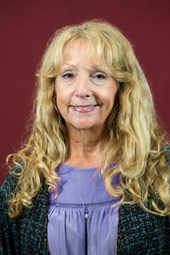
Nancy O'Shea
Administrative Assistant
313-993-3283
osheana@udmercy.edu
Related Pages

Detroit Mercy Psychology Clinic

The Psychology Clinic is for Detroit Mercy students, staff and the community. A sliding fee scale based on your financial circumstances makes treatment affordable. Your sessions are completely confidential.